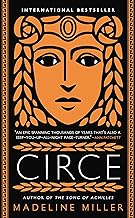
In the vast pantheon of Greek mythology, few figures are as complex, misunderstood, and ultimately compelling as Circe, the goddess of magic and witchcraft. For centuries, she was relegated to a footnote in Odysseus's epic journey—a dangerous sorceress who turned men into pigs. However, in her stunning novel Circe, author Madeline Miller performs a literary resurrection, giving voice to one of mythology's most fascinating women. This feminist retelling has captivated millions, becoming a modern classic and a staple of book club discussions worldwide.
From Marginalized Goddess to Protagonist
Miller's genius lies in her ability to take a character from the periphery of a well-known story and place her squarely at the center of her own epic. The novel Circe chronicles the immortal life of the titular goddess, daughter of the sun god Helios. Shunned for her "thin" voice and lack of divine power in her youth, Circe discovers her affinity for pharmaka—the magic of herbs and potions. This discovery leads to her exile on the remote island of Aiaia, where she hones her craft, encounters famous mythological figures, and grapples with the loneliness of immortality and the complexities of power.
This is not just another Greek mythology retelling; it is a profound exploration of agency, otherness, and what it means to be a woman with power in a world ruled by capricious gods and heroic men. Miller's prose is lyrical and immersive, making ancient themes feel strikingly contemporary. It's no wonder the novel has earned accolades like Book of the Year and remains a perennial bestseller.
Circe and The Song of Achilles: Miller's Mythological Universe
For readers who fall in love with Miller's work in Circe, the natural next step is her debut masterpiece, The Song of Achilles: A Novel (P.S.). This award-winning book reimagines the Trojan War through the passionate and tragic love story of Achilles and Patroclus. Together, these two novels form the cornerstone of modern mythological fiction. For the ultimate experience, consider the Circe and The Song of Achilles By Madeline Miller 2 Books Collection Set, which allows you to delve deep into Miller's interconnected world of gods and heroes.
The global appeal of Circe is evident in its availability in multiple languages, including the Circe [AdN] (Spanish Edition) and the powerful German translation, Ich bin Circe: Roman, hailed as "divinely ancient feminism."
Beyond the Novel: Circe in Modern Culture
The resonance of Circe's story extends far beyond the pages of the novel. She has become an icon in modern spiritual and artistic practices. The Circe Tarot deck, for instance, channels the goddess's mystical energy into a beautiful divination tool, featuring stunning mystical art inspired by her myth. For those drawn to her magical essence, The Little Book of Circe: Invocations and Prayers from the Little Magical Guides series offers a practical guide to goddess worship and incorporating her wisdom into daily ritual.
The novel's depth makes it perfect for group analysis. Resources like the Study Guide for Book Clubs: Circe provide frameworks for literary analysis, exploring themes, symbolism, and discussion questions that enrich the reading experience.
Circe's Literary Kin: Clytemnestra and Piranesi
The success of Circe has paved the way for other feminist re-examinations of mythological women. Books like Clytemnestra continue this vital tradition, giving voice to another of Greek mythology's most vilified queens. Similarly, for readers who enjoy the atmospheric and labyrinthine quality of Miller's island exile, Susanna Clarke's Piranesi offers another masterful work of modern fantasy that explores isolation, memory, and a world built of endless halls and statues.
Ultimately, Madeline Miller's Circe is more than a bestseller or a fantasy novel. It is a transformative reading experience that challenges ancient narratives and celebrates resilience, creativity, and self-determination. It asks what happens when the witch, the outsider, the woman deemed too powerful for her own good, finally tells her own story. The answer is nothing short of magical.